From Transactional to Relational: The Power of Dedicated Client Care

Dedicated client service is the cornerstone of building strong, long-lasting business relationships. As Serge Robichaud explains, it goes beyond simply meeting a customer’s immediate needs; it’s about creating an experience that demonstrates genuine care, attention, and understanding of the client’s objectives. Providing dedicated service involves a proactive, personalized approach where the client’s success is prioritized, and every interaction is purposeful, positive, and solution-driven.

The Value of a Dedicated Client Services Support Team: An Interview with  Traliant's Senior VP of Client Services | Traliant

Personalization and Attentiveness

At the heart of dedicated client service is personalization. It’s not enough to treat every client the same, regardless of their specific needs or challenges. The service provided should be tailored to fit the unique circumstances of each client. This can be as simple as remembering their preferences, anticipating their needs, or recognizing the specific goals they’re trying to achieve. A dedicated client service representative takes time to learn about the client’s business, culture, and pain points, and uses that knowledge to offer insightful and practical solutions. By focusing on these details, a service team becomes an indispensable partner in the client’s journey.

Proactive Problem-Solving

One of the key elements of dedicated client service is being proactive rather than reactive. It involves identifying potential issues before they arise and offering solutions that will prevent them from becoming problems. A dedicated service team constantly monitors the client’s needs and anticipates changes in the market or industry that might affect them. This forward-thinking approach reassures the client that they’re working with a partner who is invested in their success. When a challenge does arise, the dedicated service provider responds swiftly with well-thought-out solutions, showing a genuine commitment to resolving the issue.

Consistent Communication and Transparency

Effective communication is another pillar of dedicated client service. Keeping clients informed at every step of the process builds trust and strengthens the relationship. Whether it’s updating them on project milestones, potential delays, or the latest developments in their industry, transparency is key. A dedicated service provider ensures that the client is never left in the dark, but rather is kept in the loop, providing both the good news and any potential concerns with honesty and clarity. This open communication creates an environment of trust where clients feel valued and confident that their needs will be addressed promptly.

Empathy and Understanding

Empathy is one of the most essential qualities in providing dedicated client service. It’s about understanding the client’s perspective and showing genuine concern for their challenges. A service provider who listens attentively to the client’s issues and responds with empathy can create stronger, more meaningful relationships. Clients are more likely to feel heard, respected, and understood, which in turn fosters loyalty and satisfaction. By approaching each client interaction with empathy, a service provider demonstrates that they truly care about the client’s well-being, not just the transaction.

Long-Term Relationship Building

Finally, dedicated client service is focused on building long-term relationships, not just achieving short-term results. It’s about making clients feel like they’re part of an ongoing partnership rather than a one-time transaction. A dedicated service provider works towards ensuring clients’ continued success, even after the sale or service is completed. This commitment to long-term satisfaction often leads to repeat business, referrals, and an overall stronger reputation in the market.

In conclusion, providing dedicated client service means being invested in the client’s success. It requires personalization, proactive problem-solving, transparent communication, empathy, and a focus on building lasting relationships. When clients feel valued and supported, they are more likely to stay loyal, which not only benefits them but also the business providing the service.…

Modern Teamwork: Adapting to New Norms and Technologies

In today’s rapidly evolving business environment, the ability to work effectively with others has become more essential than ever. Globalization, technological advancements, hybrid work models, and increasingly diverse teams have transformed how we collaborate. Anson Funds understands the importance of these changes, recognizing that successful collaboration is key to navigating the complexities of the financial world. To succeed in such an environment, professionals must develop a combination of communication, emotional intelligence, and adaptability skills.

Navigating the Business Strategy Environment

1. Communicate Clearly and Respectfully

Communication is the cornerstone of teamwork. In a business landscape where teams often operate remotely or across time zones, clear and respectful communication ensures that everyone stays aligned. Use concise language, avoid jargon unless necessary, and confirm understanding. Equally important is active listening—giving full attention to others, acknowledging their input, and responding thoughtfully. Respectful dialogue builds trust and minimizes conflict.

2. Understand and Embrace Diversity

Modern workplaces bring together individuals from various backgrounds, cultures, and experiences. This diversity can spark creativity and innovation, but only when it’s embraced. Working effectively with others means being open-minded and inclusive. Avoid assumptions and stereotypes, and instead, take time to understand different perspectives. This inclusive approach promotes a positive team environment and enhances problem-solving.

3. Practice Accountability and Dependability

Team success relies on each member fulfilling their role. Being dependable—delivering work on time, meeting commitments, and taking responsibility for mistakes—builds credibility and trust. When people know they can rely on each other, collaboration becomes more efficient and less stressful. Accountability also includes being honest about challenges and seeking help when needed, rather than allowing problems to escalate.

4. Adapt to Technology and Change

Technology is a major driver of collaboration in today’s workplace. Tools like Zoom, Slack, Microsoft Teams, and project management software enable real-time communication and coordination. To work effectively with others, it’s important to be comfortable using these tools and adapting to new ones as they emerge. Flexibility and a willingness to learn can make collaboration smoother, especially in remote or hybrid teams.

5. Foster Emotional Intelligence

Emotional intelligence (EQ) is the ability to manage your emotions and understand those of others. High EQ enhances teamwork by helping individuals navigate interpersonal dynamics, resolve conflicts, and maintain positive relationships. It includes self-awareness, empathy, patience, and effective stress management. Colleagues with strong emotional intelligence contribute to a more supportive and harmonious work environment.

6. Focus on Shared Goals

Effective collaboration means putting team goals above individual agendas. Aligning efforts with a common purpose encourages cooperation, improves morale, and increases efficiency. Encourage open discussion about objectives, clarify roles, and celebrate group achievements. When everyone feels valued and aligned with a shared mission, productivity and engagement soar.

Conclusion

Working effectively with others is a skill that can make a significant difference in your professional success. In today’s dynamic business environment, it requires clear communication, mutual respect, adaptability, emotional intelligence, and a strong sense of responsibility. By cultivating these abilities, individuals can contribute to more collaborative, inclusive, and high-performing teams—key ingredients for long-term business success.…

The Growing Importance of the Machine Shop in Industrial Development

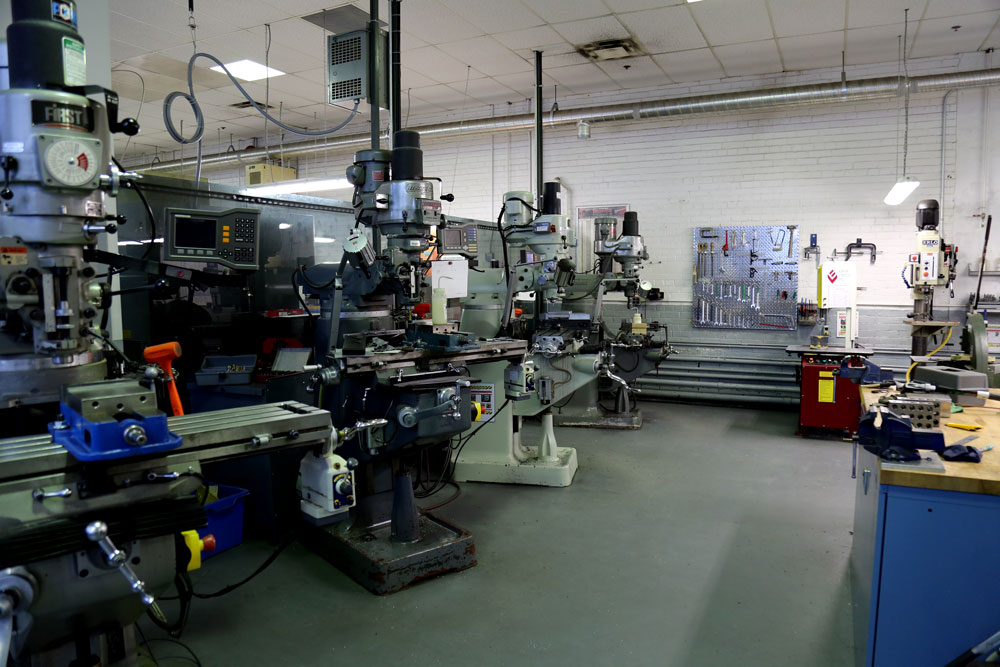
In today’s fast-paced industrial world, the role of a machine shop has become more critical than ever. A machine shop is a facility where raw materials like metal or plastic are precisely cut, shaped, and finished into usable components through the use of various machining tools. These workshops form the foundation of modern manufacturing, supporting industries ranging from automotive and aerospace to electronics and healthcare. As technology continues to evolve, the machine shop has transformed into a high-tech environment where precision, speed, and customization are essential for success in an increasingly competitive global market.

Machine Shop - Department of Mechanical & Industrial Engineering

Machine shops have come a long way from their early beginnings, when manual tools and traditional methods were the norm. Today, they are powered by advanced machinery such as CNC (Computer Numerical Control) machines that allow for exceptional accuracy and repeatability. CNC machines operate through programmed instructions that control every movement of the cutting tool, reducing the risk of human error and allowing for the efficient production of complex parts. This advancement in technology has not only improved the quality of products but also significantly shortened production times, making machine shops indispensable to manufacturers seeking both efficiency and excellence.

One of the most important features of a modern machine shop is its ability to offer both prototyping and large-scale production. Companies can rely on these facilities to develop custom parts for new product designs or to fulfill high-volume orders with consistent quality. This versatility gives machine shops a distinct edge, especially in industries where time-to-market is critical. From a single custom screw to thousands of identical engine components, the machine shop is equipped to meet the unique demands of a wide variety of clients.

The integration of CAD (Computer-Aided Design) and CAM (Computer-Aided Manufacturing) software has further enhanced the capabilities of the machine shop. Designers can now create complex 3D models on a computer, which are then translated into precise machining instructions. This seamless digital workflow ensures that the final product accurately reflects the original design, down to the smallest detail. Moreover, many machine shops now utilize automated inspection systems and high-precision measuring instruments to ensure that every component adheres to strict quality standards.

As industries shift toward greater innovation, sustainability, and customization, the machine shop remains at the forefront of this evolution. By embracing new materials, energy-efficient practices, and smart manufacturing technologies, modern machine shops are not only improving productivity but also reducing environmental impact. Their role is no longer limited to fabrication; they are now key players in research, development, and technological progress.

In conclusion, the machine shop stands as a vital part of the industrial ecosystem, enabling the creation of precision parts that drive progress across numerous sectors. With their ability to adapt to new challenges and deliver high-quality, tailored solutions, machine shops will continue to be an essential force in shaping the future of manufacturing.…